
Garage Doors on Cedar Rapids' 1960s-70s Housing Stock
Cedar Rapids homes mostly date to the 1960s-70s with a median build year of 1977.
Read moreBlogCedar Rapids, IA · 4 min read
Cedar Rapids homes mostly date to the 1960s and 70s. Here's how that housing stock and our cold climate decide whether your door is worth repairing or replacing.
Local detail
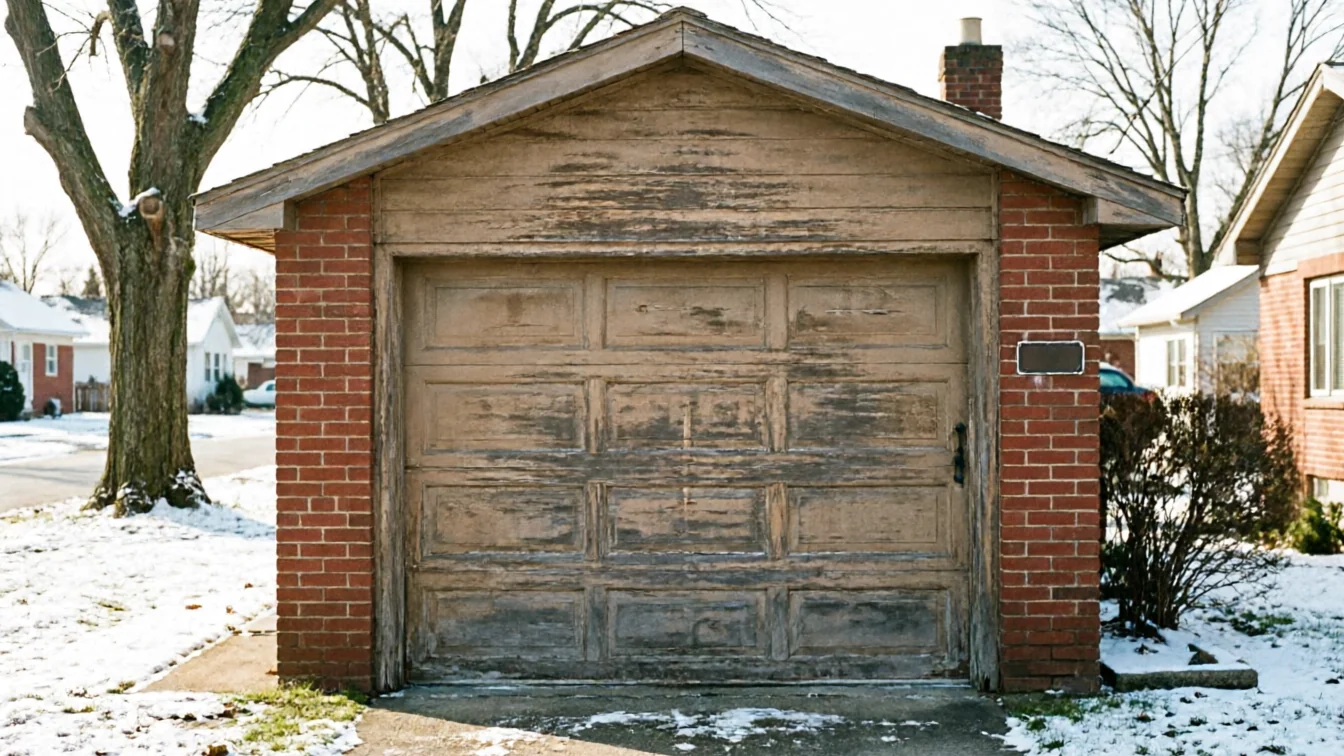
Most of the housing around Cedar Rapids went up between 1943 and 2011, with the median build year sitting at 1977, and the bulk of that stock clustered in the 1960s and 70s across the 24 named areas that make up this market. That matters because a door installed when a house was built is now somewhere between 45 and 60 years old if nobody's replaced it, and the hardware from that era wasn't built for the cold-moderate swings we get here. Steel panels from that period are thinner than what's sold today, and the galvanizing on older torsion springs wears thin faster once winter humidity and freeze-thaw cycles start working on the coil. A door that's cycled through fifty Iowa winters has usually lost some squareness in the frame too, even if the opener still runs it fine. None of that means the door is junk. It means the parts wearing out are different from what you'd see on a door built in 2015, and a tech who doesn't know the difference will quote you a repair that doesn't hold.
The area
The mistake we see most is treating every older door the same way: replace the spring, call it done. On a door from the 1960s-70s stock that makes up so much of this area, a spring swap alone often doesn't fix the real problem, which is that the track has shifted out of plumb over decades of a house settling, or the bottom bracket has stretched past where a new spring can compensate for it. We also see homeowners hold onto a door well past the point where the steel itself is the issue, not the hardware - rust-through on the bottom panel, or a frame that's racked enough that no amount of adjustment keeps it running straight. On the other side, we see newer doors - built when the area's housing was still going up through the 2000s - get written off for replacement when a $200 repair would have carried them another decade. The era of the house is a clue, not a verdict. You still have to look at the actual door.
What we find
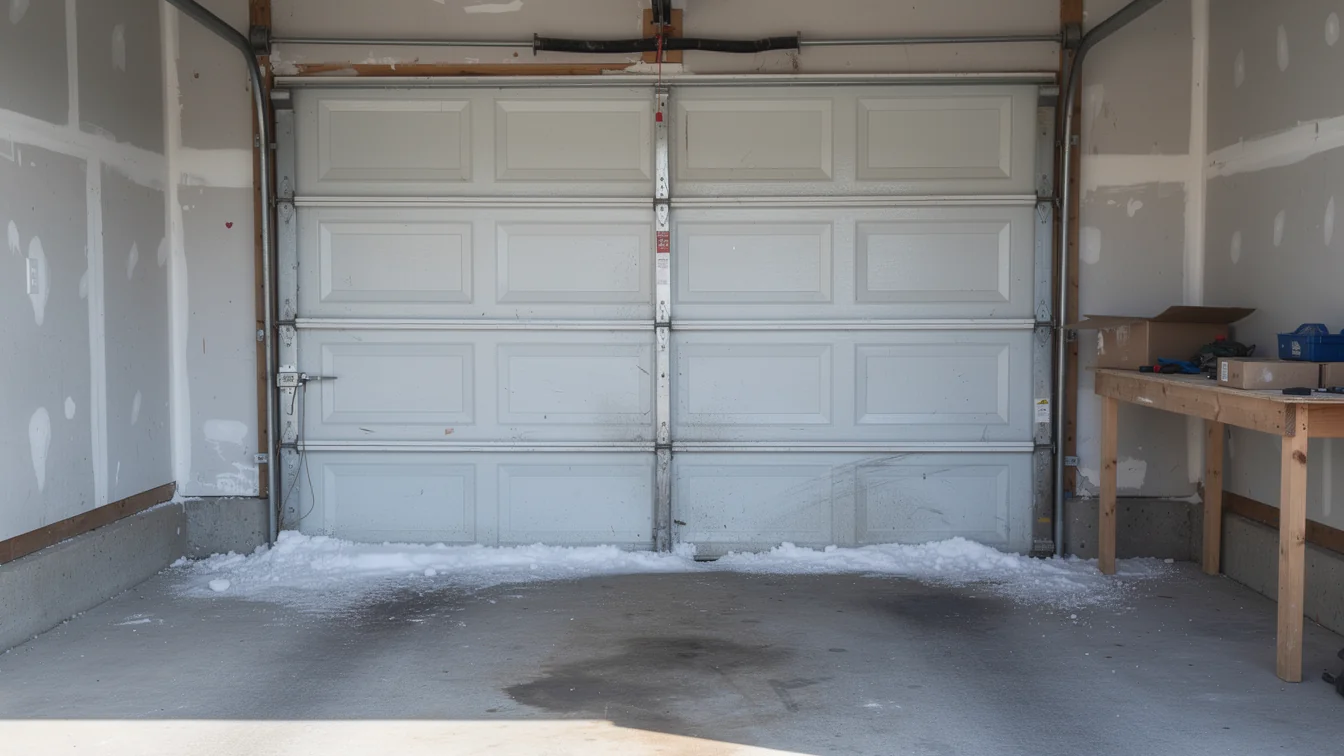
With 23,691 owner-occupied houses in the service area and a median household income around $95,000, most of the calls we get aren't about budget - they're about a door that's been fine for twenty years and then isn't. Given that median build year of 1977, a lot of these doors are original or close to it, and the cold-moderate climate here is hard on them in a specific way: the freeze-thaw cycle through a long winter works springs and rollers harder than a warmer climate would, so failures tend to cluster in late winter and early spring once the cold has had months to do its work. If your door is from that 1960s-70s wave and it's starting to sag on one side or groan going up, that's usually the track and hardware giving out together, not just one part.
How we work
We don't have a price list to post here, and any number we gave you without seeing the door would be a guess. What we can tell you is how we decide: if the opener, track, and panels are sound and it's a spring or roller issue, that's a repair, and on a door from this area's typical 1960s-70s build era that's usually still the right call. If the panels are rusted through or the frame has racked out of square - more common the closer a door gets to the older end of that 1943 build range - replacement usually costs less over five years than chasing repairs on a door that keeps finding new ways to fail. Honest limitation: we can't tell you which side of that line your door falls on over the phone. It takes someone standing in front of it.
Questions
Age alone doesn't decide it. A door from the 1960s or 70s stock common around here can still be worth repairing if the track and panels are straight and the steel isn't rusted through. What pushes it to replacement is usually a racked frame or panel rust, not the calendar year.
The cold-moderate climate here puts real stress on springs and rollers through a long freeze-thaw winter. Hardware on an older door, especially one installed when this area's housing stock was going up in the 1960s and 70s, tends to show that wear sooner than it would in a milder climate.
Cold makes steel more brittle and the metal contracts, so a spring near the end of its cycle life is more likely to snap during a cold stretch than in summer. This is common on older homes in this area where the original hardware was never upgraded.
Recommendation
More garage door guides for Cedar Rapids homeowners.
Cedar Rapids homes mostly date to the 1960s-70s with a median build year of 1977.
Read more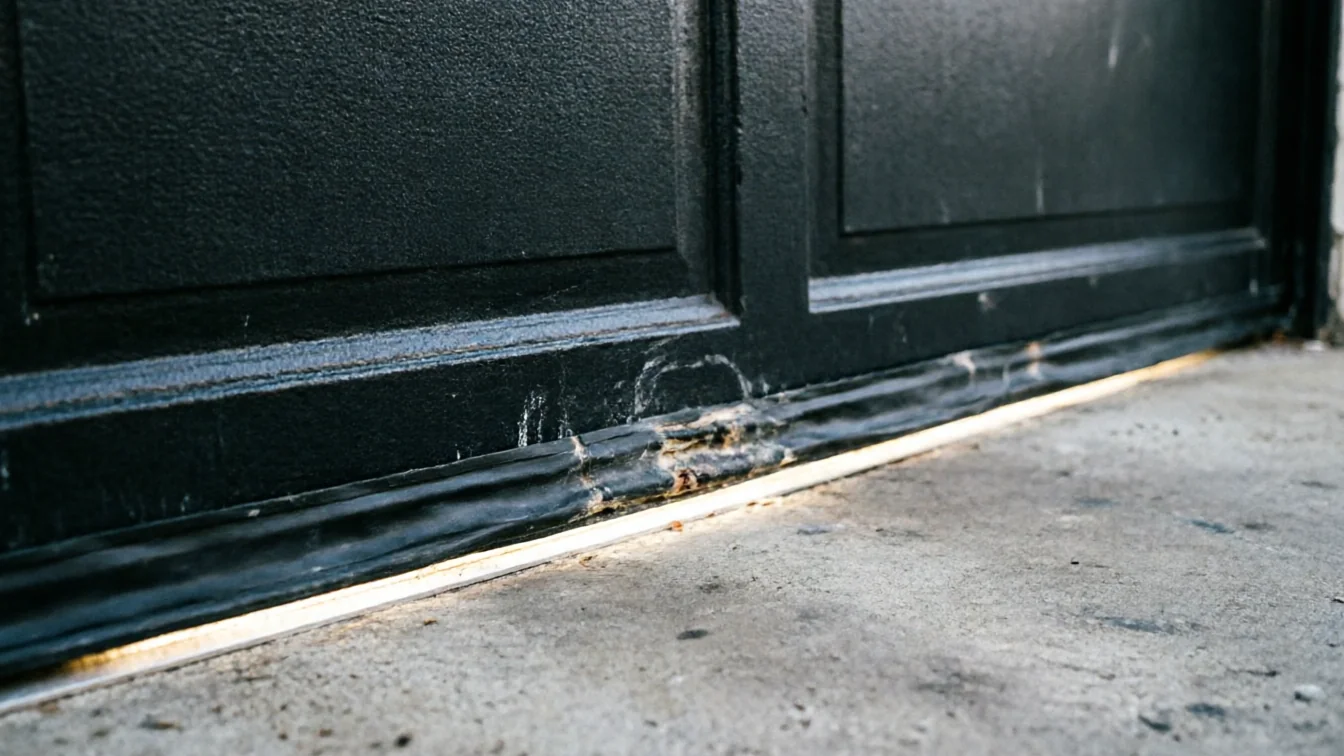
Cedar Rapids homes built mostly in the 1960s-70s face cold-climate wear on original hardware.
Read more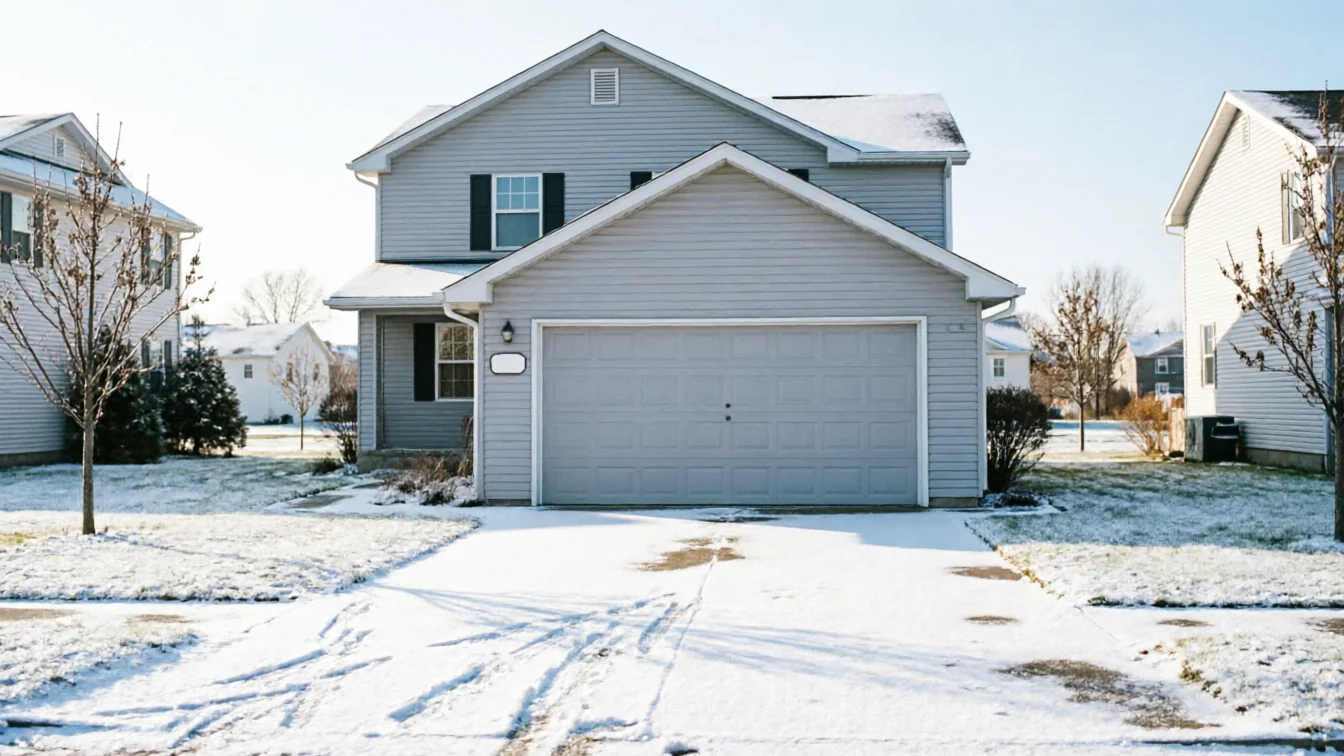
Cedar Rapids housing runs 1943-2011 with most stock from the 1960s-70s.
Read moreReady when you are
Cedar Rapids Garage Door Pros repairs and installs garage doors, springs and openers in Cedar Rapids, IA and the surrounding area.