
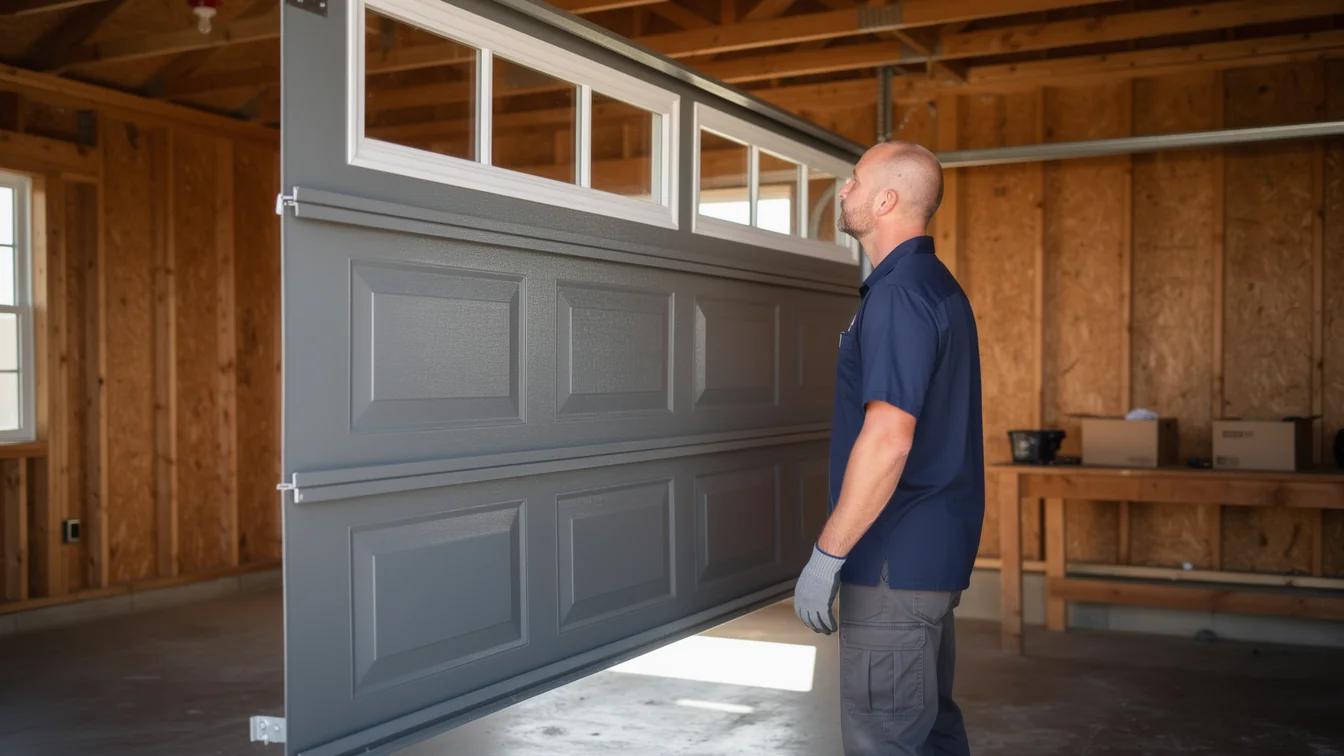
What That Noise Coming From Your Garage Door Actually Means
Grinding, popping, slamming - Cedar Rapids homes built in the 1960s and 70s make specific noises as original hardware ages in cold-moderate winters.
Read moreBlogCedar Rapids, IA · 4 min read
Cedar Rapids housing runs 1943-2011 with most stock from the 1960s-70s. Cold winters and original hardware mean specific spring and track failures. Here's what that actually means for your door.
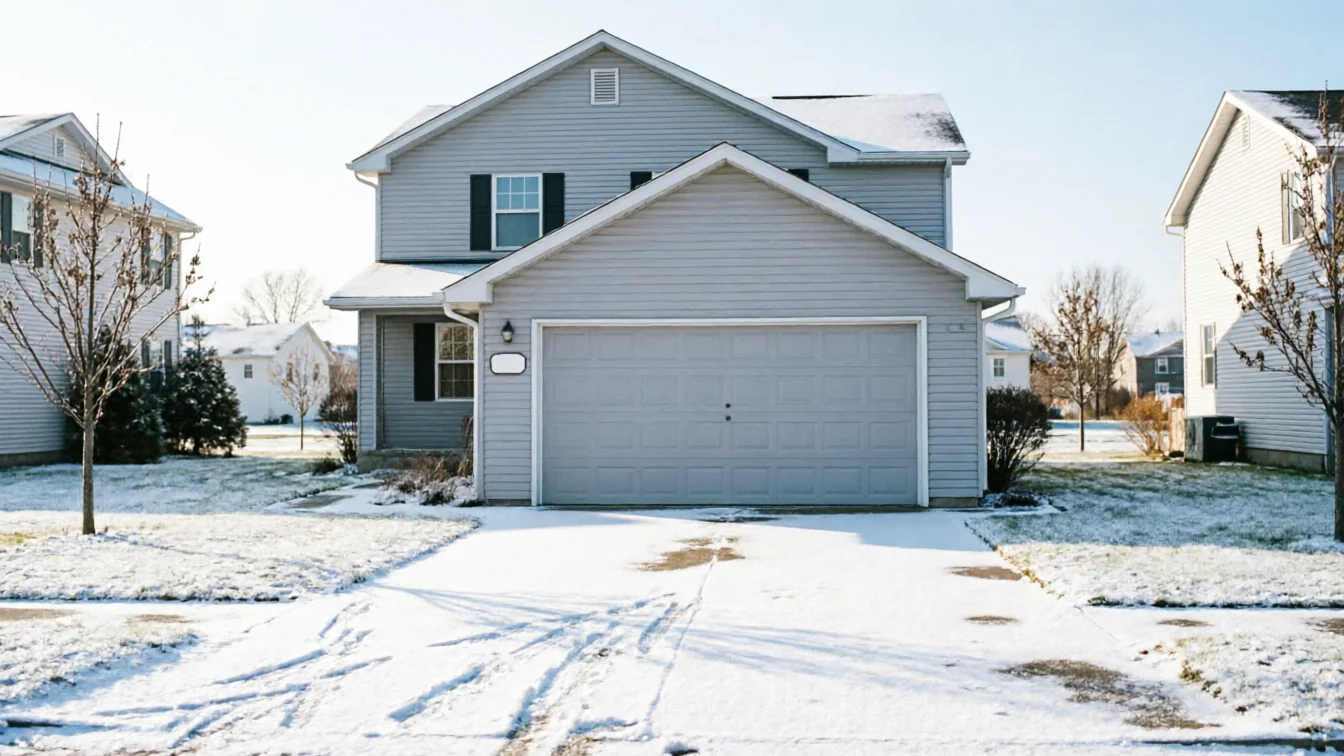
Local detail
Cedar Rapids sits in a cold-moderate climate band, and that matters more for a garage door than most owners realize. Steel contracts in the cold. A torsion spring that's been carrying a door fine since spring will tighten up and lose a little tension every time the temperature drops, and the lift it gave you in July isn't the lift it gives you in January. That's when a spring that was already near the end of its cycle count finally lets go, usually on the coldest morning of the stretch, not the first cold day.
It's not just springs. Nylon rollers get brittle in cold and start chipping at the edges. Lubricant that was fine at 70 degrees gels up at 10 degrees and the door starts moving rough through the track, which puts extra strain on the opener's drive gear. None of this is dramatic on its own. It adds up over a winter, and it's the reason the service calls here cluster the way they do once the cold sets in. A door that's a little tired in September is a door that fails in December.
This isn't a universal garage door problem. It's what cold does to hardware that's already working at the edge of its spec, which is most of the hardware out there by year five or six of a cold-climate winter cycle.
The area
Most houses in this service area went up between 1943 and 2011, with the bulk of that stock dating to the 1960s and 1970s across all 24 named areas Cedar Rapids covers. That means a lot of garages still have the door, track, and spring setup the house was built with, or a direct one-for-one replacement from decades back. The common mistake is treating that hardware like it's current.
Owners with a 1960s or 70s build often assume a squeak or a slow close is a lubrication problem, because that's the advice that gets repeated everywhere. On a door this age, a squeak is just as likely to be a roller that's worn oval, or a spring that's stretched past its rated cycles and is now carrying the door unevenly. Lubricant won't fix either one. It just quiets the noise for a few weeks while the real wear keeps going.
The other version of this mistake is waiting for total failure before calling anyone, because the door still opens most days. On older torsion hardware, waiting usually means the spring breaks with the door up, which is a heavier and more dangerous job than catching it while the door's still working.
What we find
The service area here covers 50,436 households, 23,691 of them owner-occupied houses, spread across Cedar Rapids proper and the nearby towns that share the same housing stock and the same winters: Fairfax, Hiawatha, Marion, Ely, Robins, Swisher, Shueyville, and Palo are all within 9 miles, with Southwest Area, Oakhill Jackson, and Cedar Hills sitting inside the city itself at 1 to 3 miles. Springville, Alburnett, Shellsburg, Norway, Mount Vernon, Solon, Newhall, Amana, Lisbon, North Liberty, Center Point, Martelle, Oxford, Tiffin, Central City, and Coralville extend out to roughly 19 miles.
That matters for a garage door company because it's not one housing era we're dealing with. It's a mix of original 1960s-70s one-piece and sectional doors, some later replacements from the 80s and 90s, and newer builds out toward the edges of that 1943-2011 range. The parts on hand and the diagnosis both depend on knowing which decade of hardware is actually on the house, not guessing from the address.
How we work
We don't have a flat number to quote here without seeing the door, and honestly, anyone who gives you one over the phone for a spring or opener job hasn't looked at your hardware yet. What drives the cost is mostly age and parts availability. A door from the newer end of this area's housing range usually takes current stock springs and rollers, and that's a straightforward job. A door closer to the older end of the 1943-2011 range sometimes needs hardware that isn't a same-day pull off the truck, and that adds a step.
Median household income across this service area runs around $95,000, which is enough that most owners go with a full spring replacement rather than a patch when a torsion spring fails, especially once they understand that a patched spring on old hardware tends to fail again within a season. The honest limitation here: if your door is old enough that the track and opener are both original, sometimes replacing the whole door costs less over a few years than repairing it piece by piece. We'll tell you when that's the math, not just sell the repair.
Questions
Cold steel loses a bit of tension and gets more brittle, and a spring that's near the end of its cycle count in this cold-moderate climate band is more likely to give out on a hard-freeze morning than on a mild one. It's wear plus cold, not cold alone.
Not necessarily. A lot of 1960s and 70s builds in this area still take standard torsion springs and rollers. The track and opener sometimes need a closer look, since original openers from that era are usually past replacing rather than repairing.
Yes, the service area includes Fairfax, Hiawatha, Marion, Ely, Robins, Swisher, Shueyville, Palo, and the other nearby towns within roughly 20 miles, all of which share a similar mix of housing ages and the same winter conditions.
Recommendation
More garage door guides for Cedar Rapids homeowners.
Grinding, popping, slamming - Cedar Rapids homes built in the 1960s and 70s make specific noises as original hardware ages in cold-moderate winters.
Read more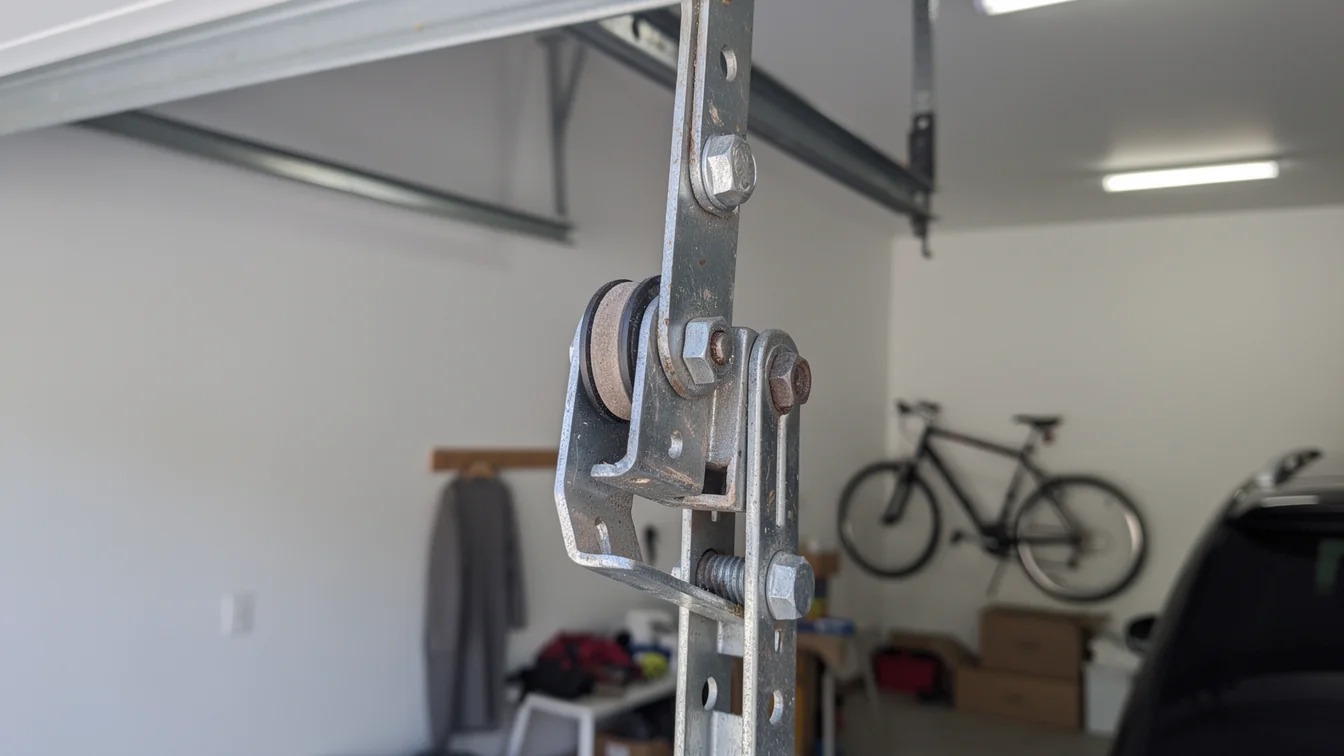
Cedar Rapids homes built mostly in the 1960s-70s and our cold winters both push doors off track.
Read more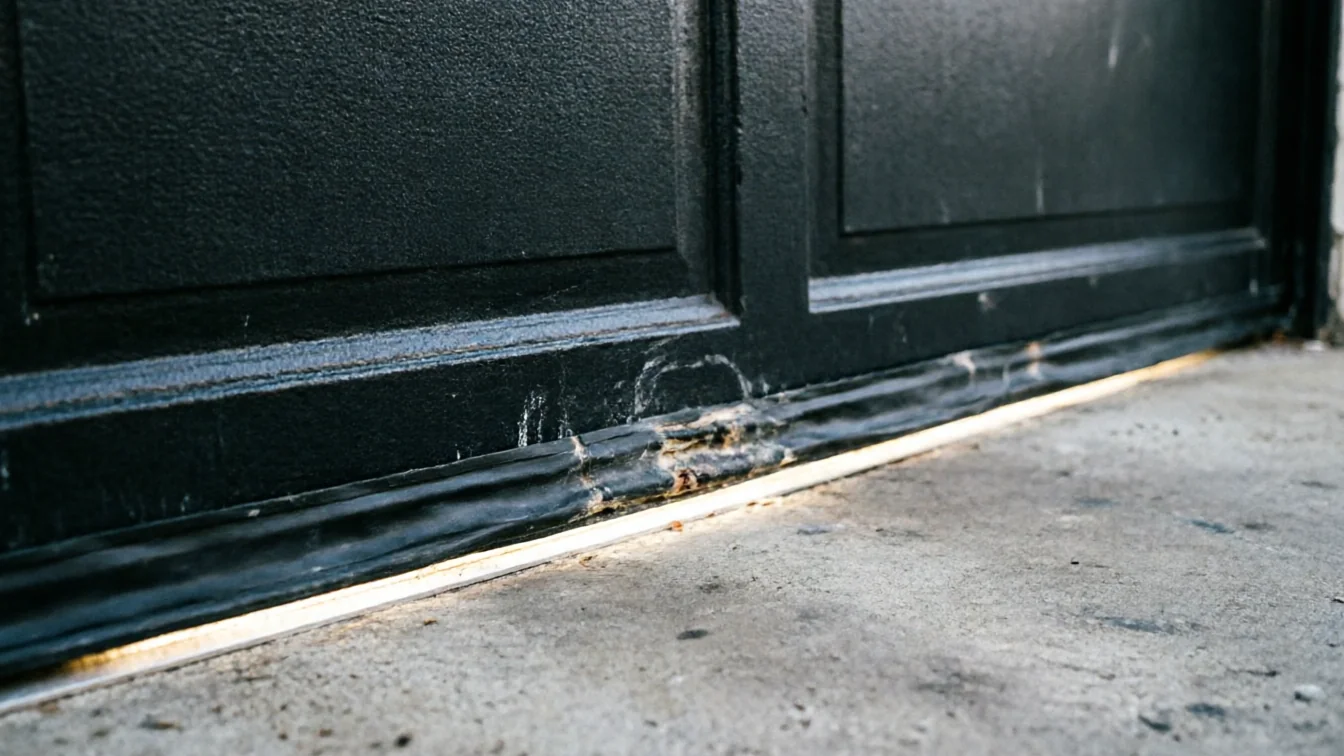
Cedar Rapids homes built mostly in the 1960s-70s face cold-climate wear on original hardware.
Read moreReady when you are
Cedar Rapids Garage Door Pros repairs and installs garage doors, springs and openers in Cedar Rapids, IA and the surrounding area.