
Aging housing stock
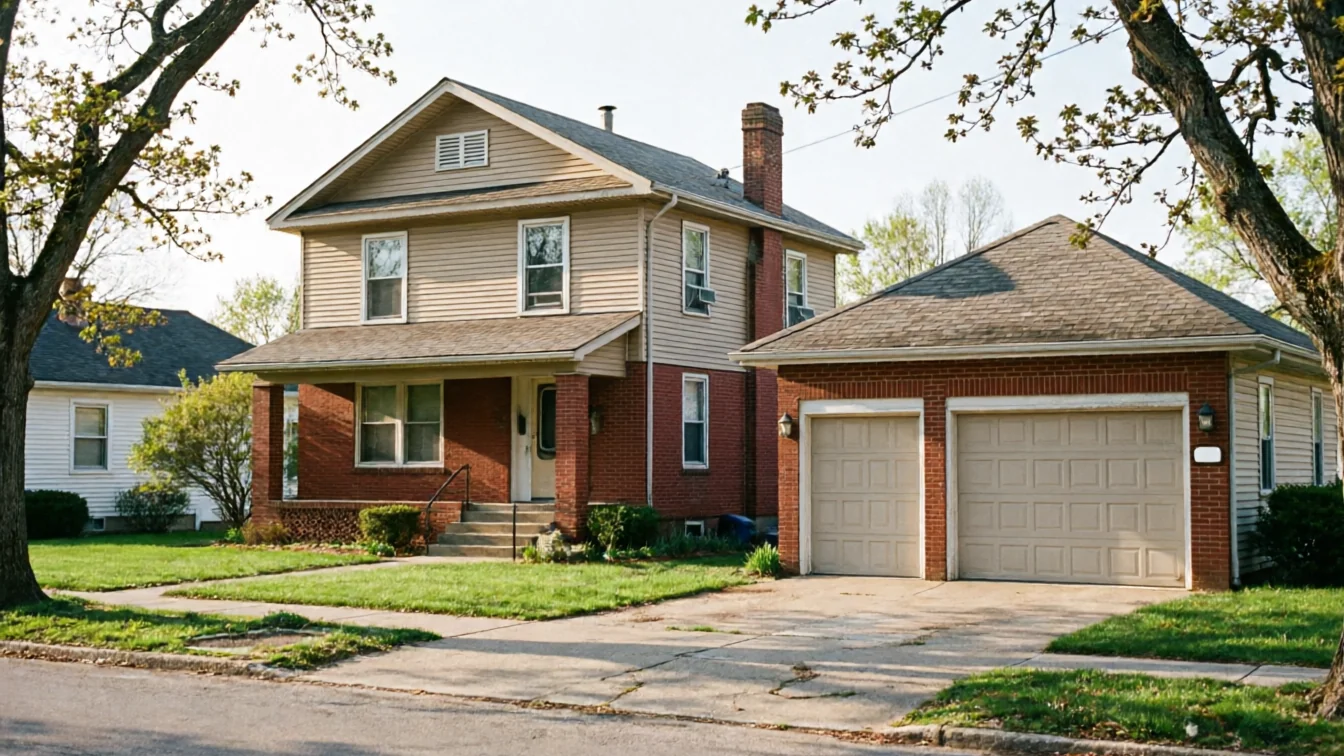
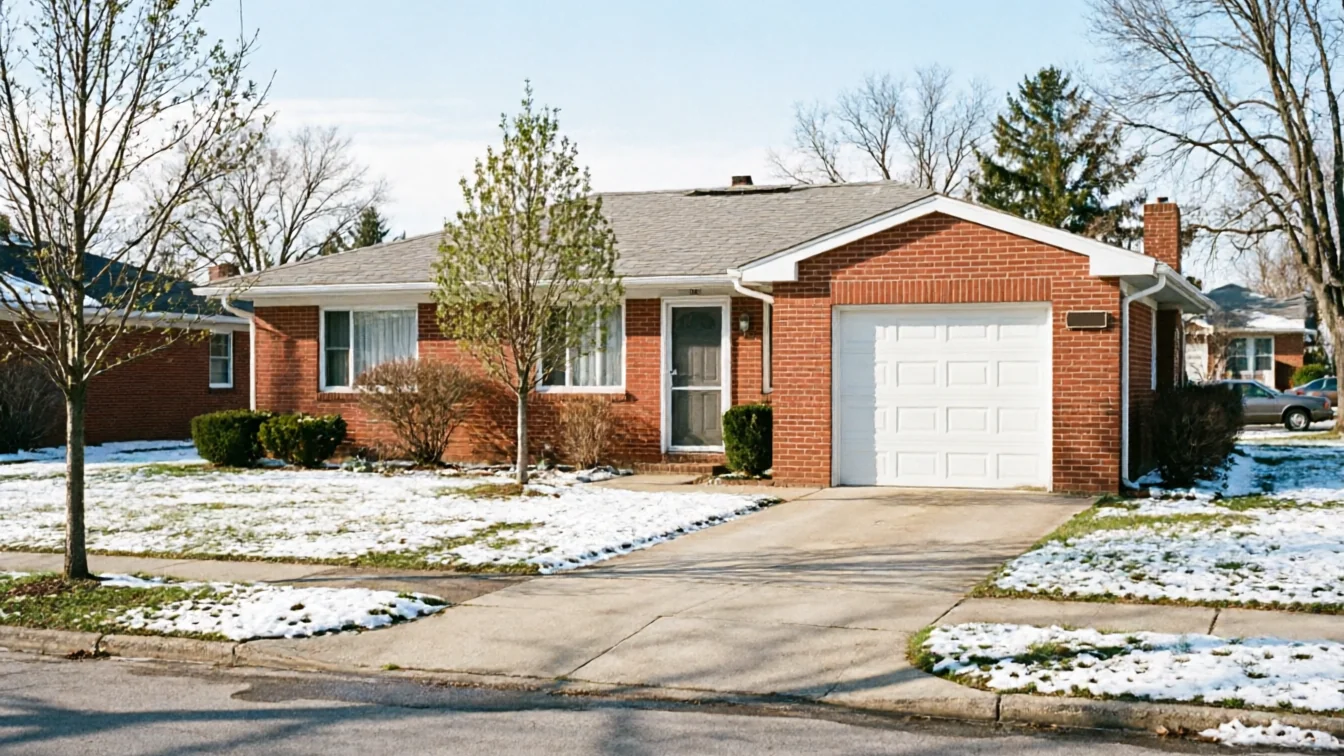
Most of the housing in this stretch of the service area went up in the 1960s and 70s, with the broader range running 1943 to 2011, so a lot of doors and openers out this way are closer in age to each other than you'd expect.
Center Point, Cedar Rapids
Garage door repair for Center Point, IA homeowners, with doors from the 1960s-70s building wave and a cold-climate spring and cable fault pattern. We come from Cedar Rapids, 16 miles out.
DIY or pro
Center Point has about 1,032 households, which means the fault pattern we see here isn't spread across a huge mix of builders and eras the way a bigger suburb's is.
Most of the housing in this stretch of the service area went up in the 1960s and 70s, with the broader range running 1943 to 2011, so a lot of doors and openers out this way are closer in age to each other than you'd expect.
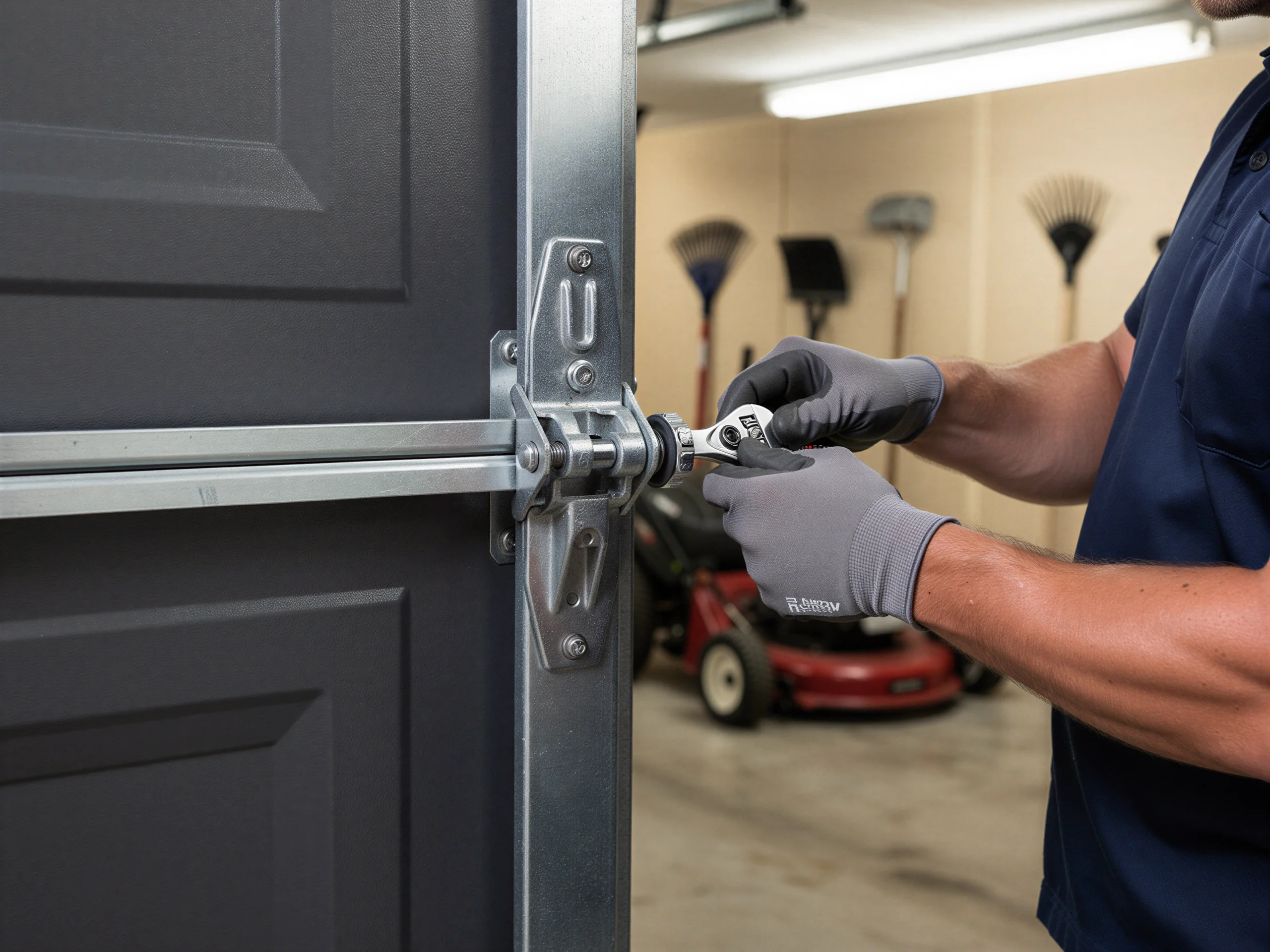
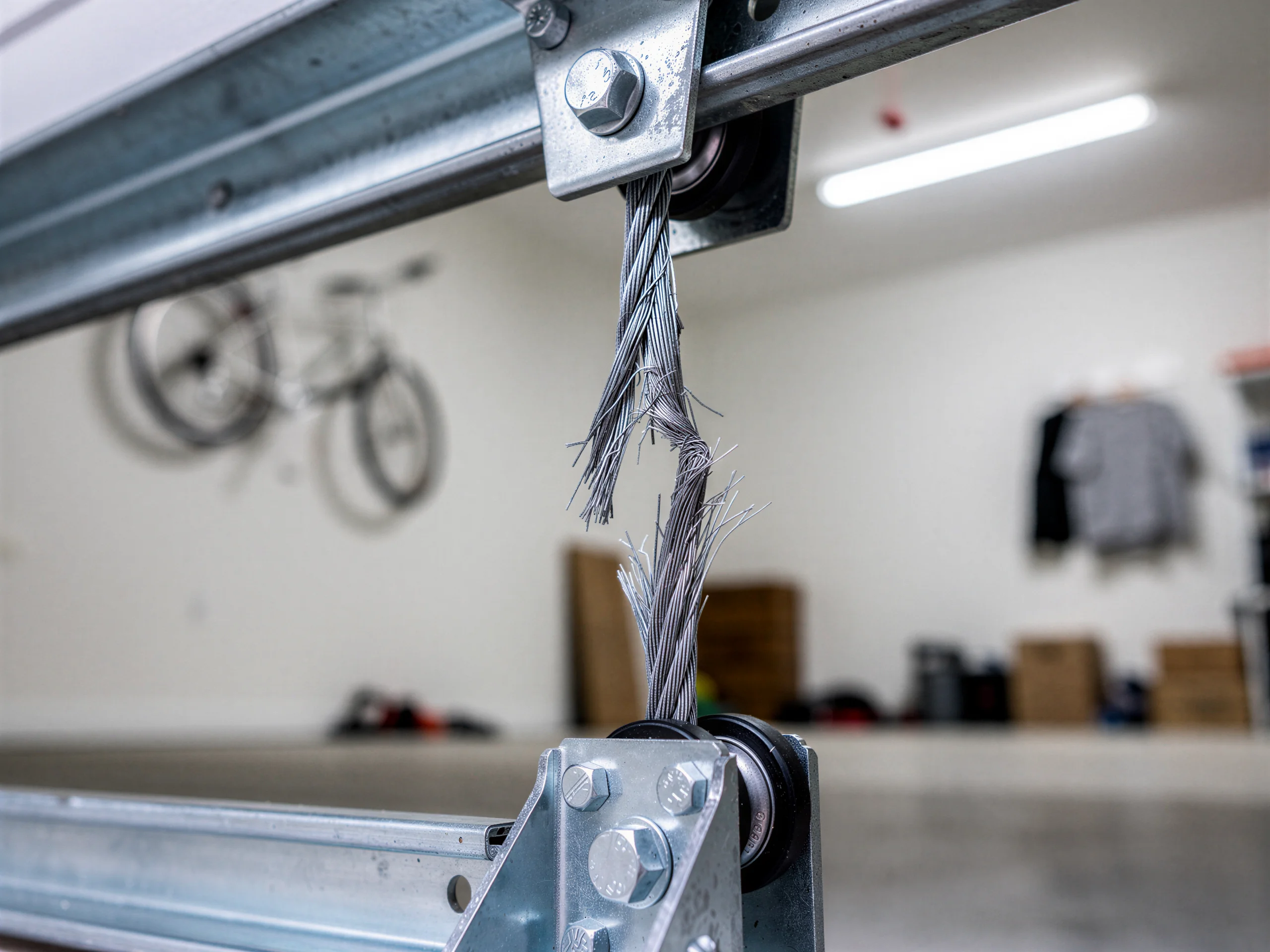
That narrows what usually breaks: torsion springs sagging out after decades of cycles, original steel track that's pitted at the bends, and the occasional panel seam that's finally given up. Can you fix any of it yourself? A roller swap or a loose hinge screw, sure, if you're comfortable on a ladder and you unplug the opener first. A spring is different.
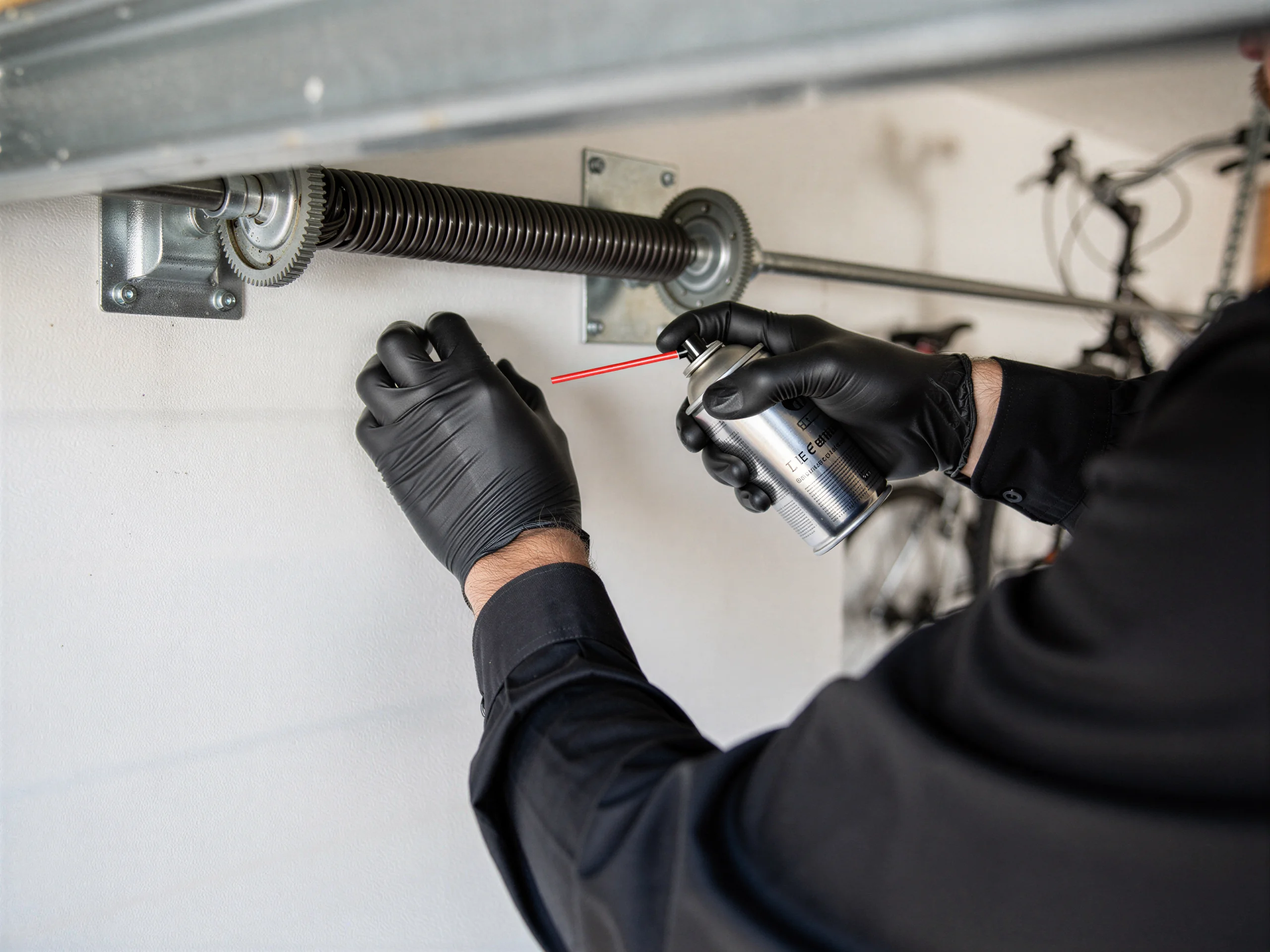
Torsion springs store enough force to break a wrist or worse, and on a door this age the winding cones may be rusted to the shaft, which turns a bolt swap into a fight. If the door won't move, or it moves and drops, or the opener grinds without lifting, that's not a weekend project - that's a call.
Downtime
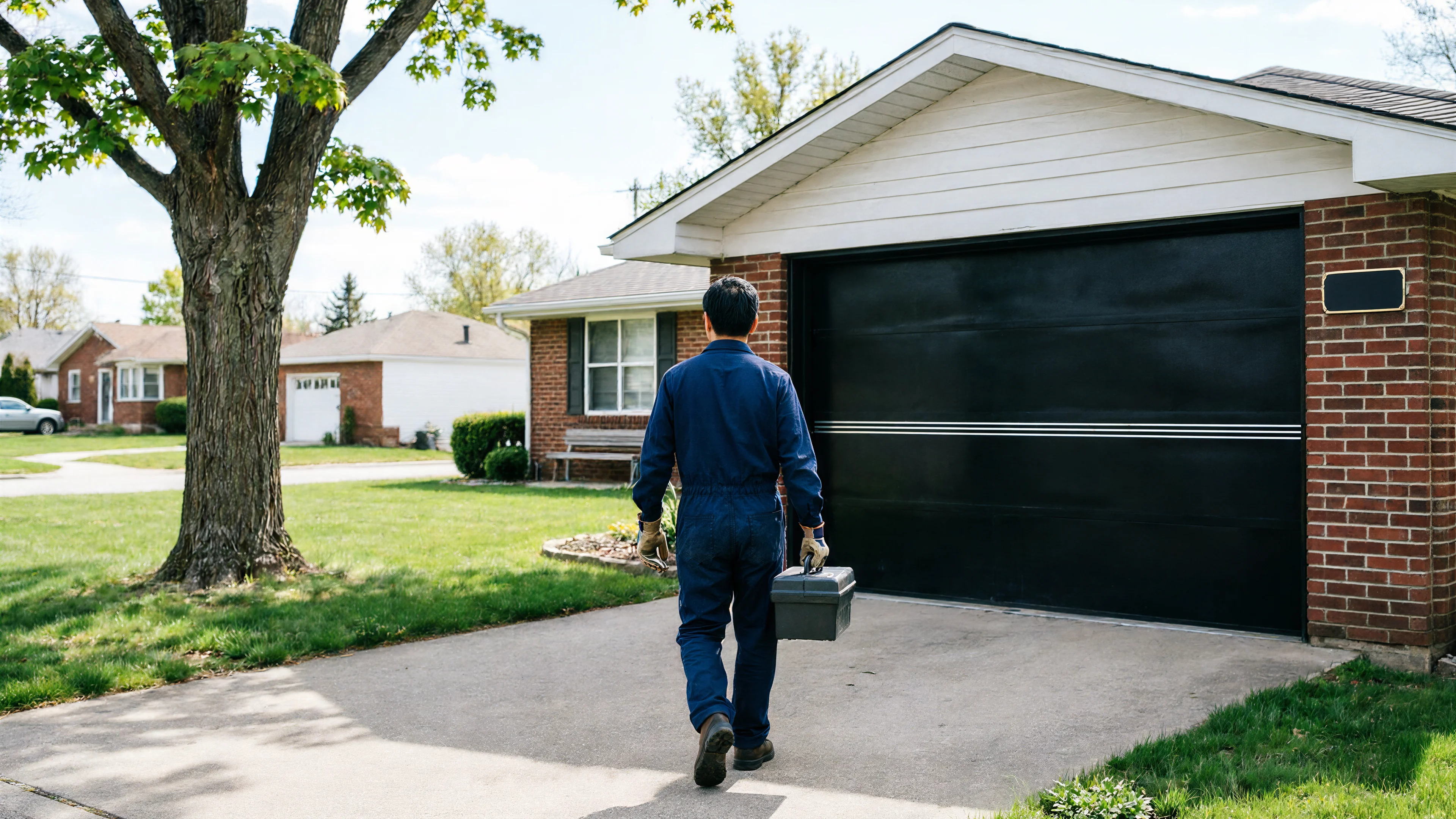
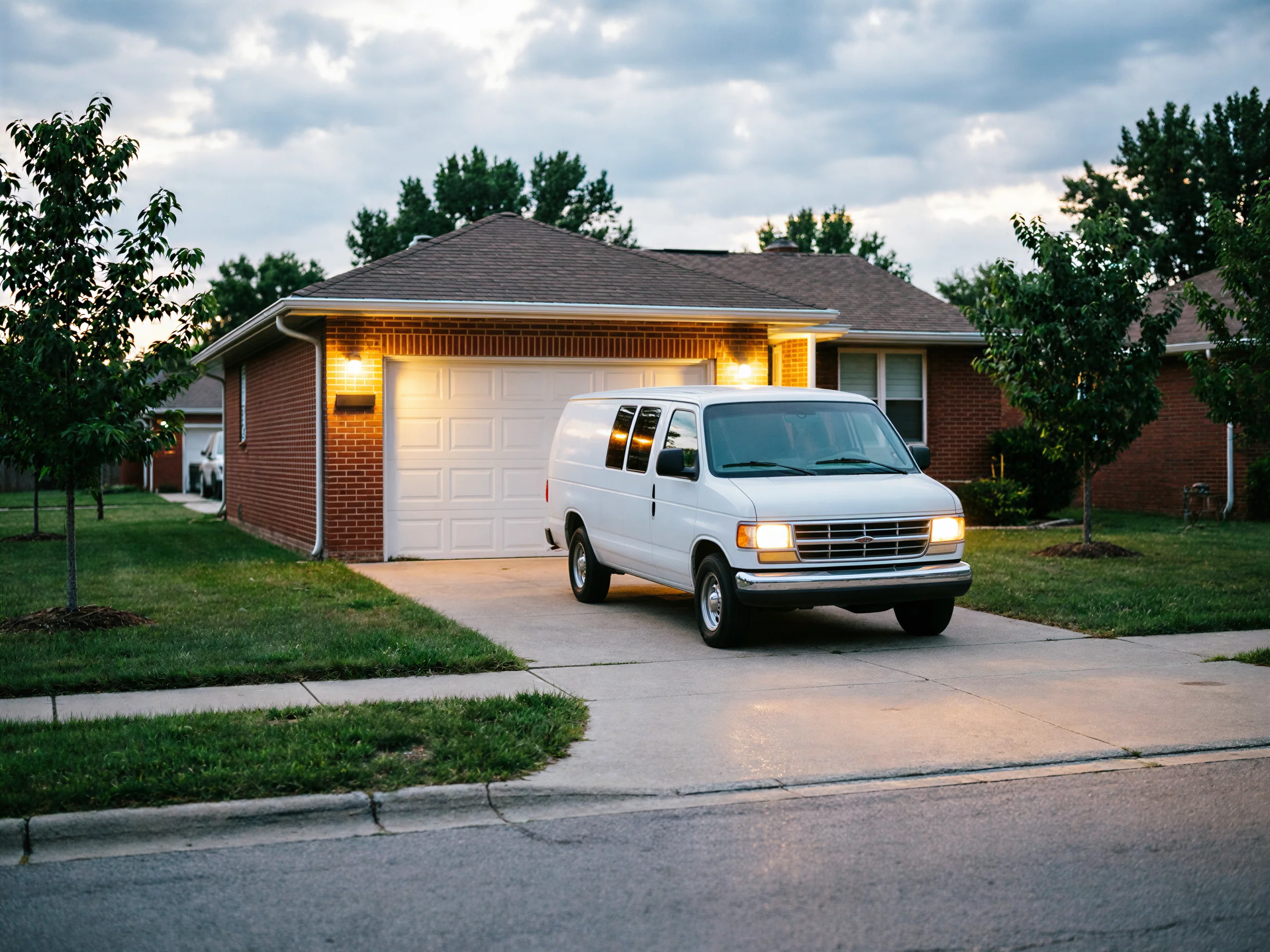
We're not based in Center Point - we run out of Cedar Rapids, about 16 miles away, and that drive is part of the timeline whether we say so or not. We don't carry a crew here permanently, so we can't promise a same-hour fix the way a shop with a local yard might, and we won't pretend otherwise. What we can tell you is that most of what breaks on a house built in this window is a known part: torsion spring, cable, roller, sometimes a section of track. Having the right size on the truck before we leave Cedar Rapids is what actually shortens your day, not proximity. If the door's stuck shut over your only vehicle, say so when you call - that changes how we stage the job, not whether we come.
Booking
Tell us the age of the house if you know it, or roughly when it was built, since a door installed in 1968 and one installed in 2005 fail differently even on the same street.
Center Point's housing mostly dates from that 1960s-70s wave, so if your door feels original, it probably is close to it. Describe what the door is doing - won't open, opens partway and reverses, makes a bang before it stops - and whether the opener motor is running at all.
That tells us whether we're bringing spring stock, cable, or just a sensor and a bit of adjustment. We travel out from Cedar Rapids for the visit, so having clear access to the garage and the driveway clear of ice or debris in winter saves time once we're on site.
On the truck
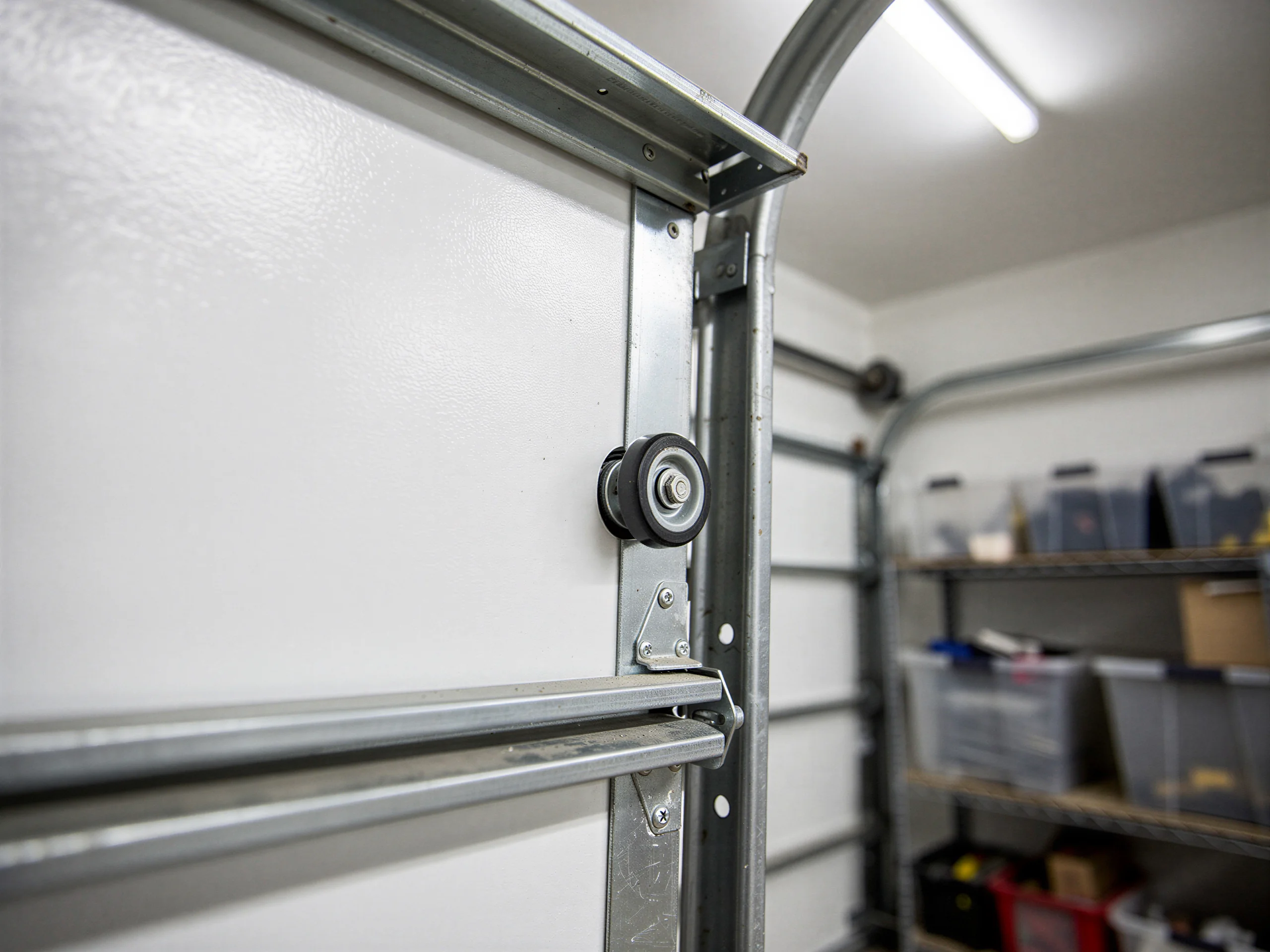
Because the housing stock out here mostly sits in that 1960s-70s band, we stock torsion springs sized for the doors that era actually used, along with standard lift cables, rollers, and track sections that fit the older steel doors still hanging in a lot of these garages. Winters here run cold, and cold steel contracts - springs that are already fatigued tend to snap on the first hard freeze rather than in July, so we keep spring stock loaded through the cold months specifically because of that pattern. What we don't carry on the truck is anything custom - a non-standard panel size, a discontinued opener board for something obscure, or specialty glass inserts. Those get ordered, and we'll tell you up front if that's the situation rather than stringing you along on a part we don't have.
The repair
A straightforward torsion spring swap on a standard door, once we're on site, usually runs under two hours including testing the balance after. A cable or roller job is quicker. Where it stretches out is when the door is original enough that the drums, bearing plates, or track brackets have corroded or bent out of true from decades of use - common on houses from that 1960s-70s build wave - and we end up replacing more than the one part that failed. We'll always tell you before we start cutting into anything beyond the original ask. One honest limit: if the door itself is warped or the panels are rusted through, sinking parts money into it rarely makes sense, and we'll say so rather than patch something that's going to fail again in a year.
Questions
No. We're based in Cedar Rapids, about 16 miles out, and we drive to Center Point for calls. We carry spring, cable, and roller stock sized for the kind of doors common here so the trip itself isn't what slows the job down.
Most houses in this part of the service area were built in the 1960s and 70s, with the wider range running from 1943 up through 2011. If your door feels original to the house, it's likely a few decades old, which usually means torsion hardware that's due for a spring.
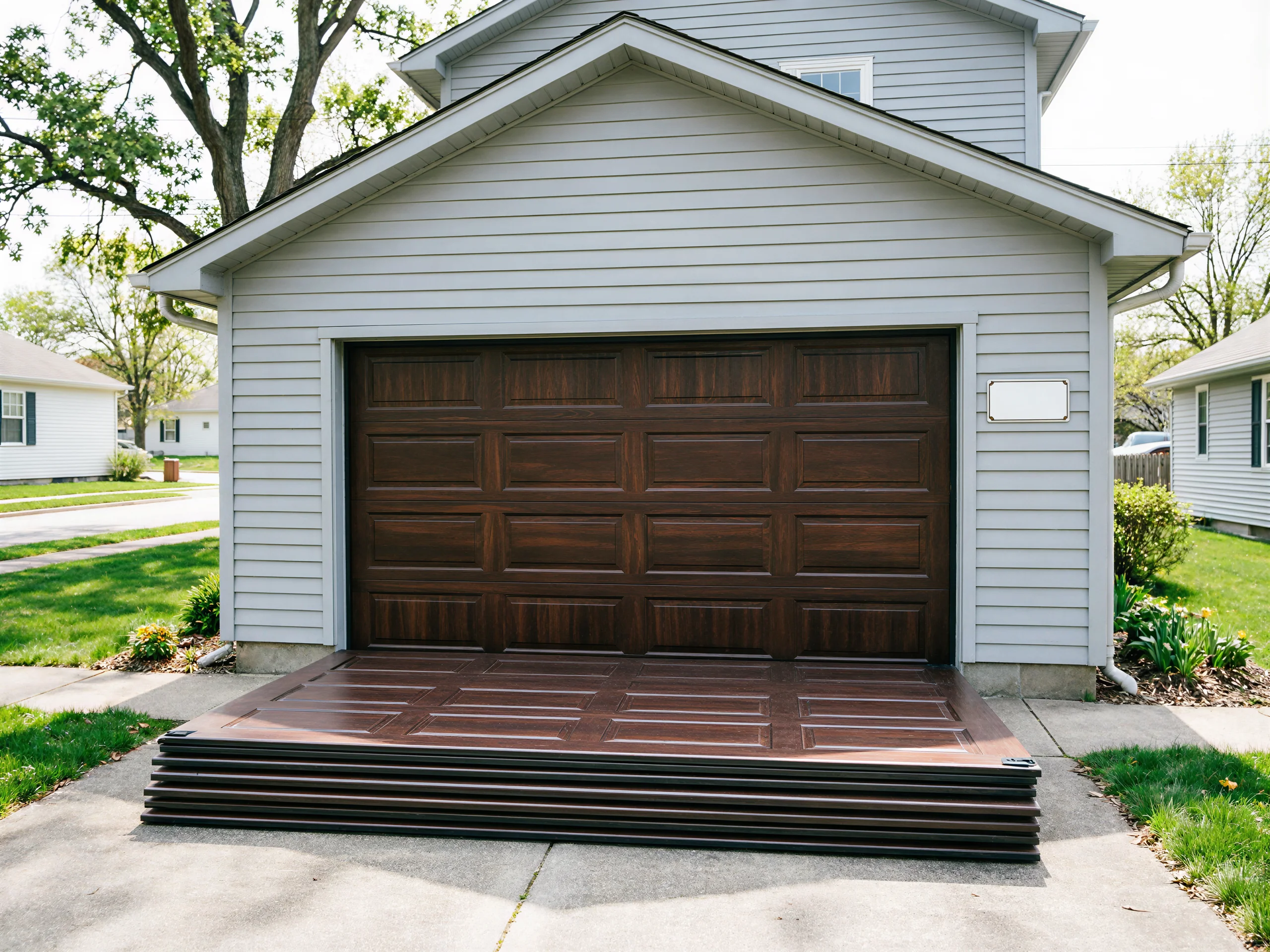
Standard springs, cables, rollers, and track sections for the common door sizes out this way are on the truck. Non-standard panel sizes or older opener boards sometimes have to be ordered, and we'll tell you that before starting the job, not after.
Yes. We're in a cold climate band here, and steel that's already fatigued from years of cycling tends to snap on the first hard freeze rather than wait for a warmer day. If your spring looks worn going into winter, that's the point to deal with it.
Explore more
Ready when you are
Cedar Rapids Garage Door Pros repairs and installs garage doors, springs and openers in Cedar Rapids, IA and the surrounding area.