
Motor strain from hardware
Then the opener starts straining, making a louder motor sound than it used to, because it's compensating for hardware that isn't carrying its share of the weight anymore.
Hiawatha, Cedar Rapids
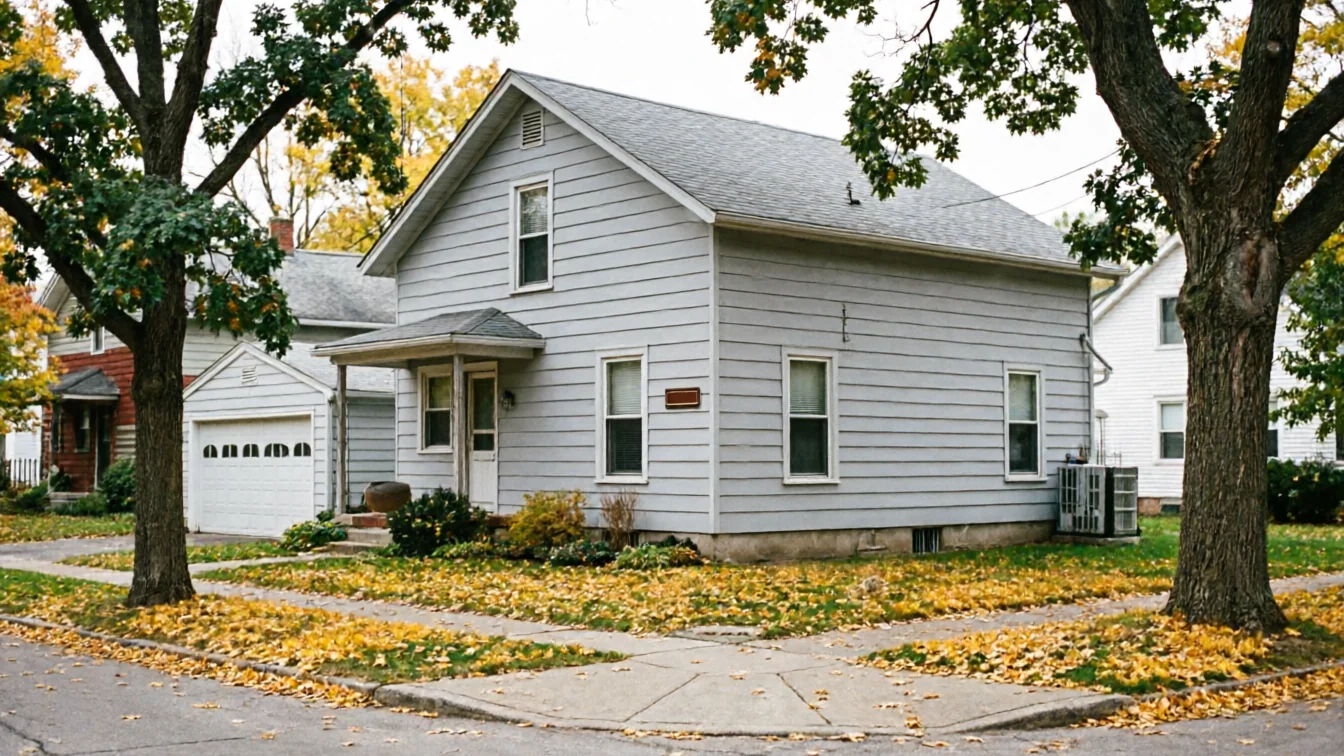
Hiawatha's housing dates mostly to the early 1990s - different hardware than older Cedar Rapids neighborhoods. We service doors, springs, and openers from our Cedar Rapids shop, 6 miles out.
Booking
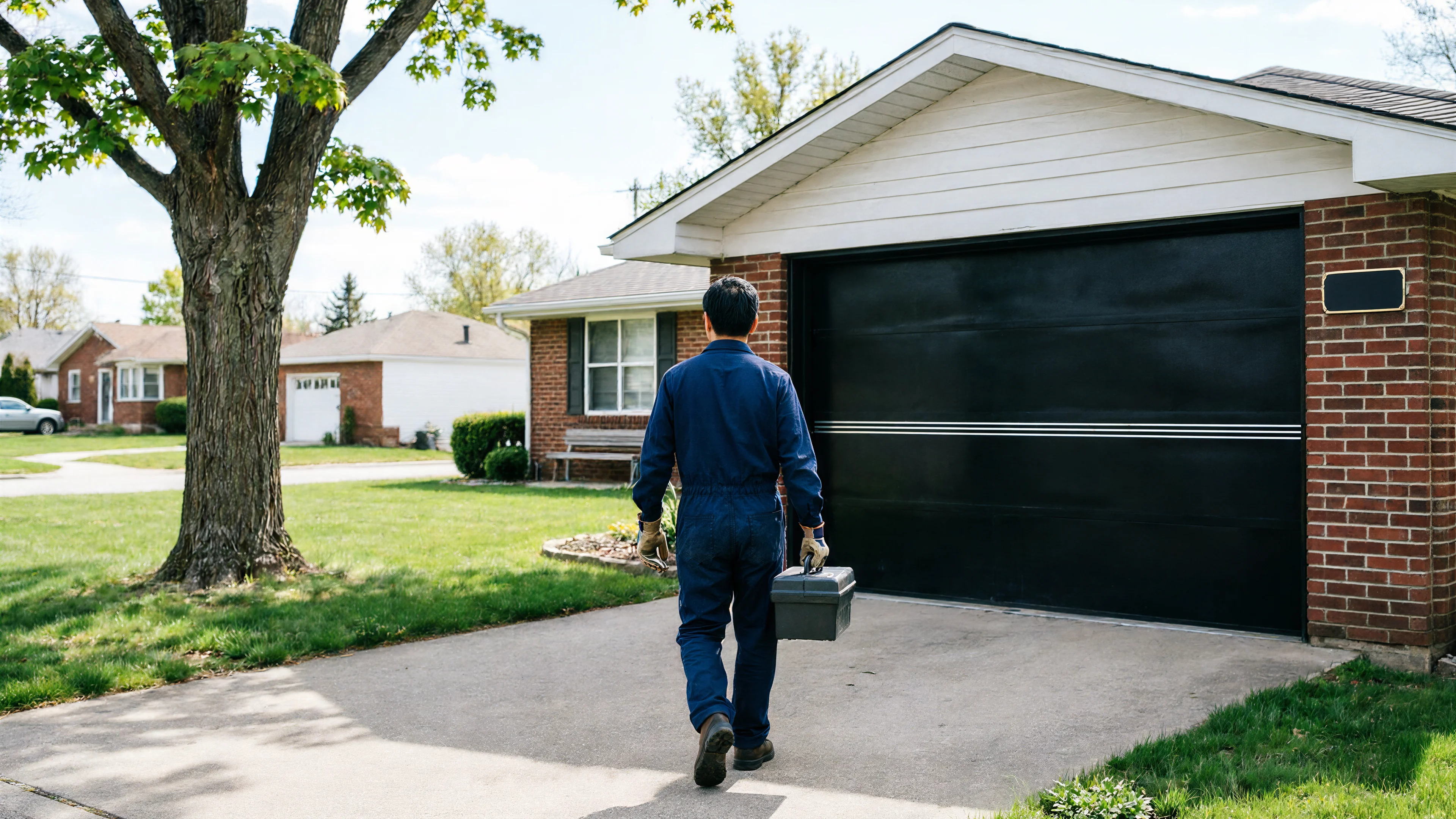
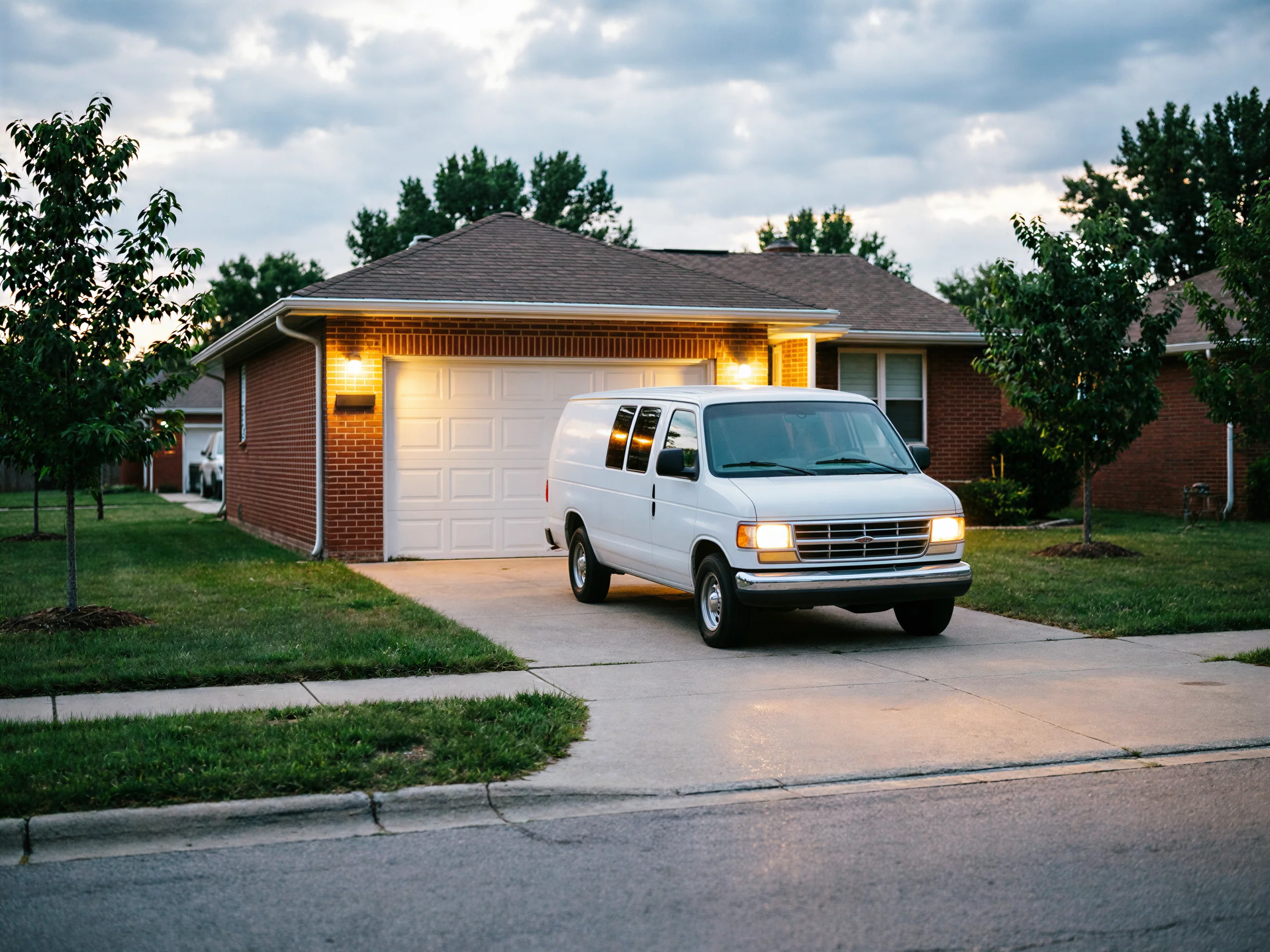
Hiawatha sits about 6 miles from our shop in Cedar Rapids, close enough that a service call out here is a normal part of the route, not a special trip.
Most of the houses here went up around 1992, which puts a lot of this town's garage door hardware into a narrower window than you'll find across the wider Cedar Rapids area, where houses span 1943 to 2011.
That matters when you call, because it means we can usually guess what we're walking into before the truck leaves - a steel sectional door, a chain or screw-drive opener from the 90s, extension or early torsion springs that have likely had one owner and zero attention since the day the house was finished.
Tell us the age of the house when you call and we'll bring the parts that actually fit that era instead of guessing on-site. We don't run a separate branch in Hiawatha - everything rolls from Cedar Rapids - so give us a little room on timing rather than expecting a walk-up counter down the street.
DIY or pro
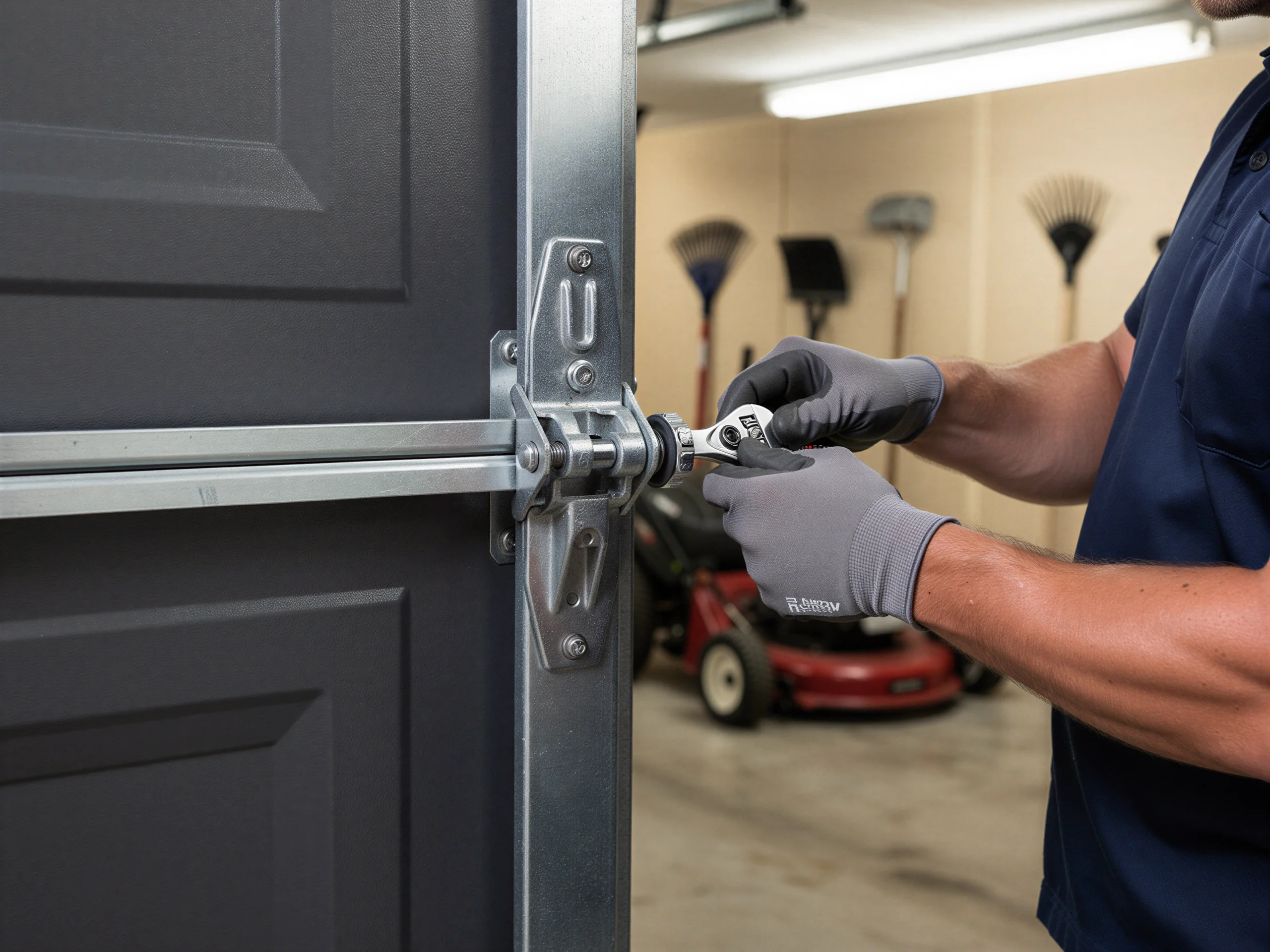
A door built around 1992 is old enough that the opener's safety reversal sensors may predate the wiring standard that's now code, and spring tension on a 30-year-old torsion setup is not something to eyeball. If the garage was never touched since the builder installed it, the springs are original and they are tired, even if they haven't broken yet. Swapping a bottom roller or tightening a loose hinge screw is fine to do yourself. Winding or unwinding a torsion spring, or pulling an opener down off the ceiling bracket to replace a worn gear, is where we'd rather you call. We'll say plainly: if your opener is from the original build and still runs, we're not going to push you into replacing it just because it's old. We'll tell you when a repair makes sense and when it doesn't, and sometimes that answer is 'leave it alone.'
Local causes
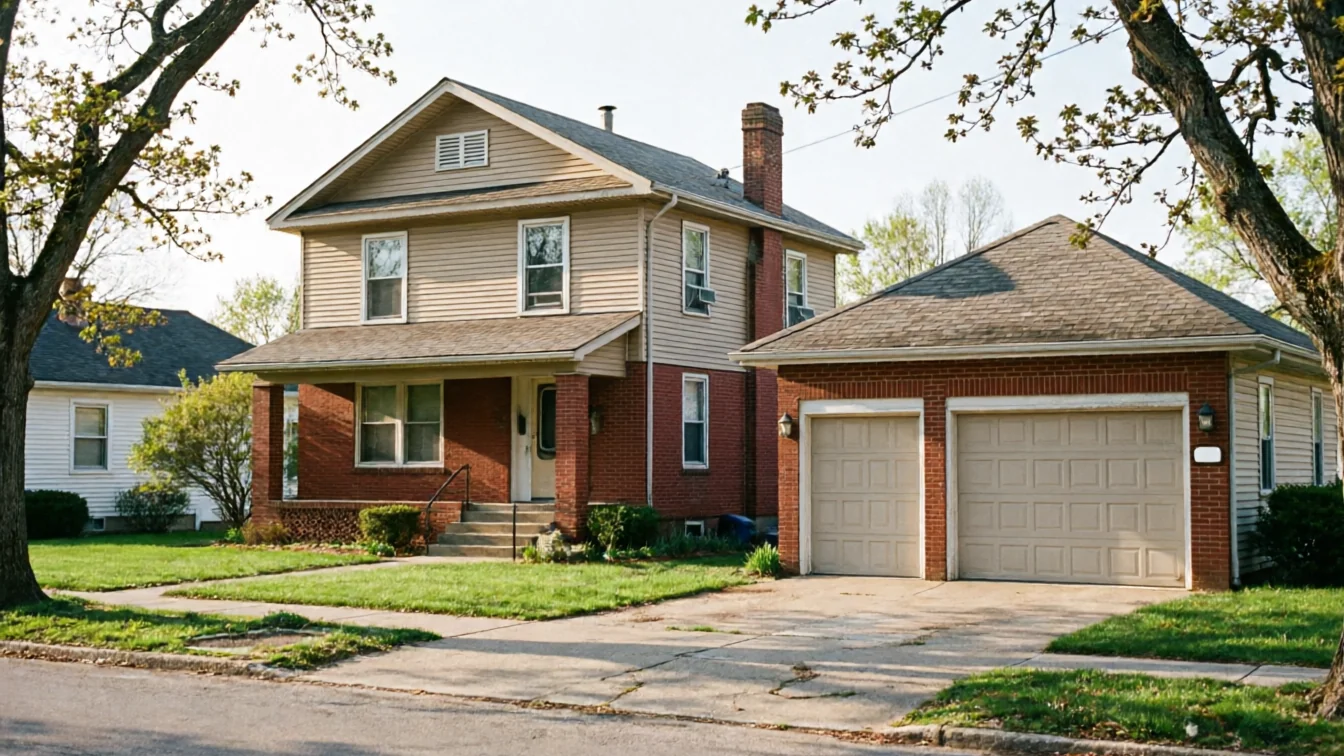
Iowa winters put real stress on garage door hardware, and the cold-moderate climate this region sits in means steel springs and rollers go through repeated freeze-thaw cycling every year. On a house built in the early 90s, that's three decades of cycling on springs that were never upgraded. The failure pattern we see most in homes from this build era is a stretched or snapped extension spring, since that was common hardware for mid-size production builds of that period, paired with worn nylon rollers that were standard before steel ball-bearing rollers became the norm. Add a chain-drive opener with a worn drive gear - another part that was common on builds through the early 90s - and you've got the typical Hiawatha service call: a door that's noisy, slow, or stuck halfway, not because anything dramatic happened but because the original parts finally reached the end of a long run.
Warning signs
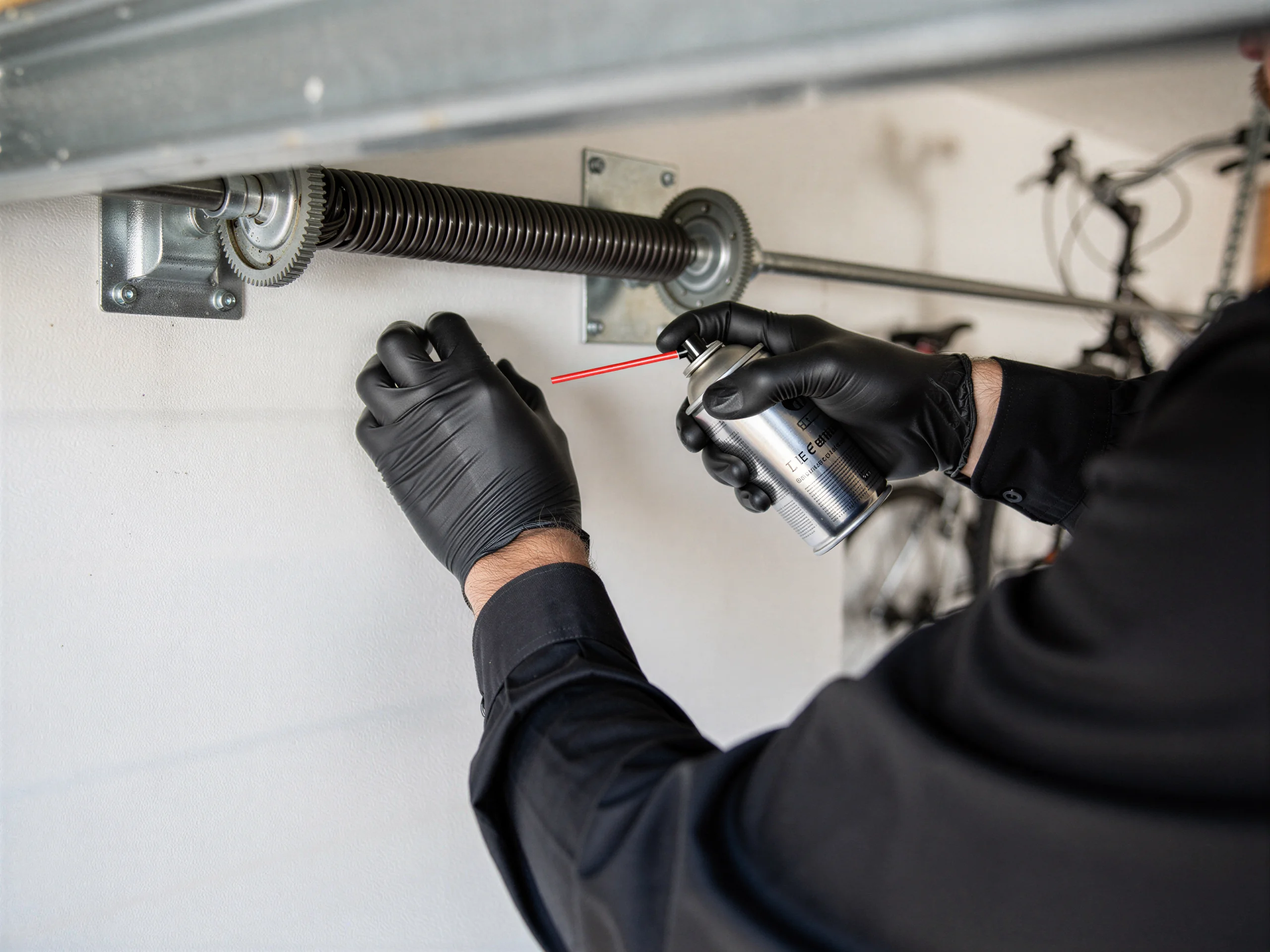
It rarely fails all at once. First the door starts sagging slightly on one side when it's halfway open - a sign a spring is losing tension unevenly on a two-spring setup.
Then the opener starts straining, making a louder motor sound than it used to, because it's compensating for hardware that isn't carrying its share of the weight anymore.
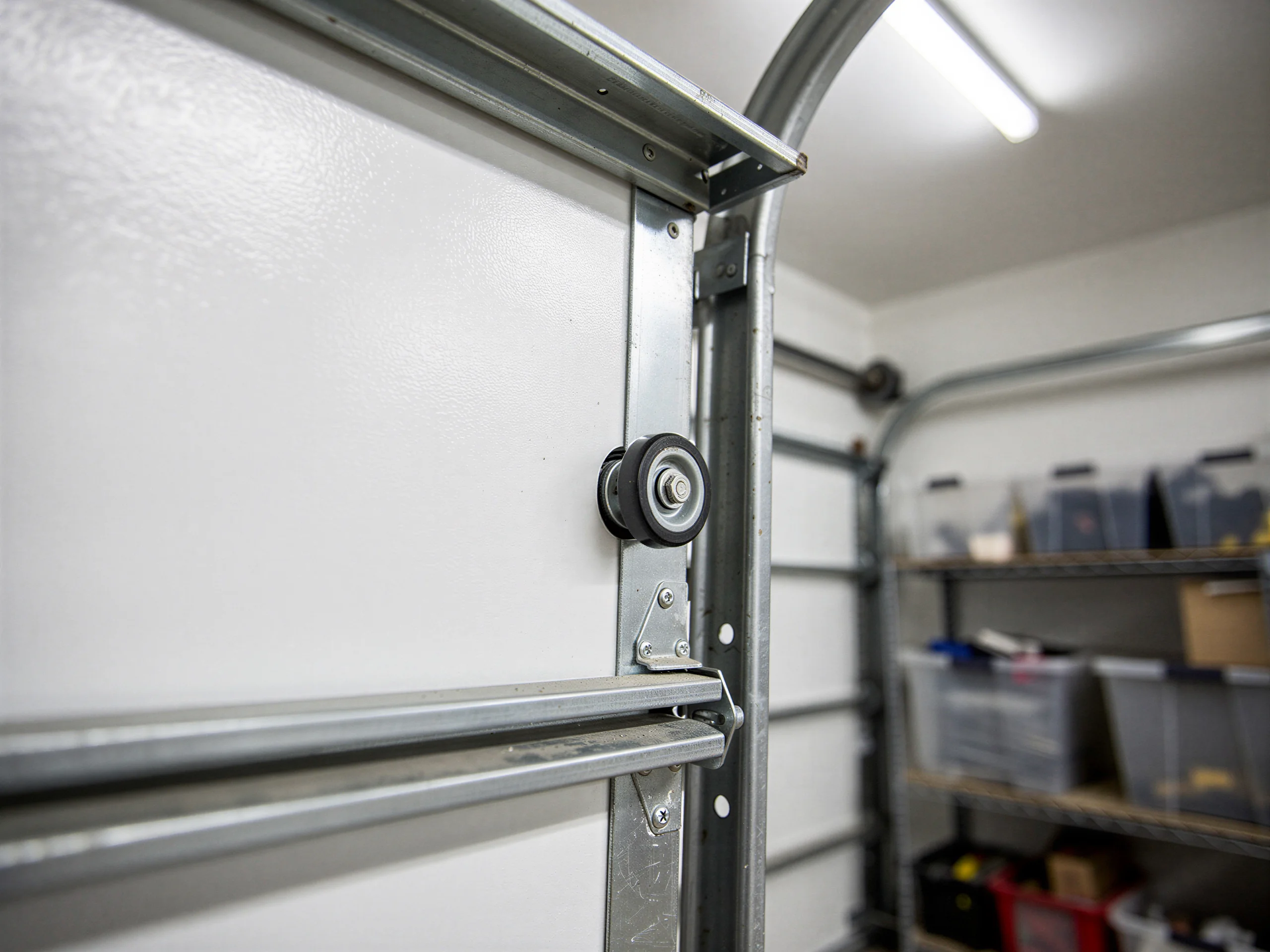
On a house from this build era, a grinding or clicking sound from the track usually means original rollers that were never replaced, not a track that's bent.
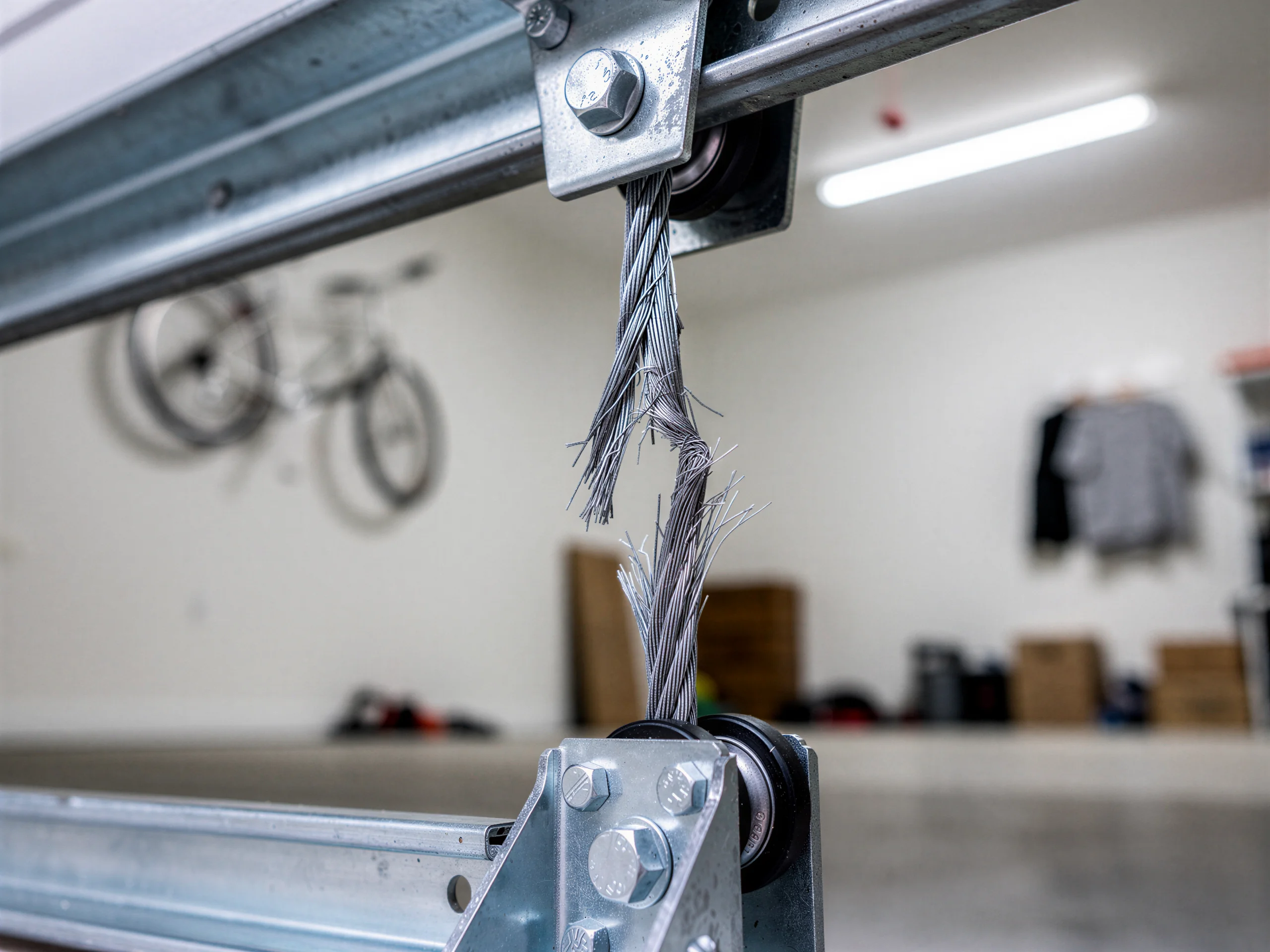
If the door reverses on its own partway down, don't keep forcing it - on a 30-year-old setup that's often a sign the safety sensors or the spring balance are both due for attention, and running it anyway is how a cable snaps instead of a roller wearing out.
On the truck
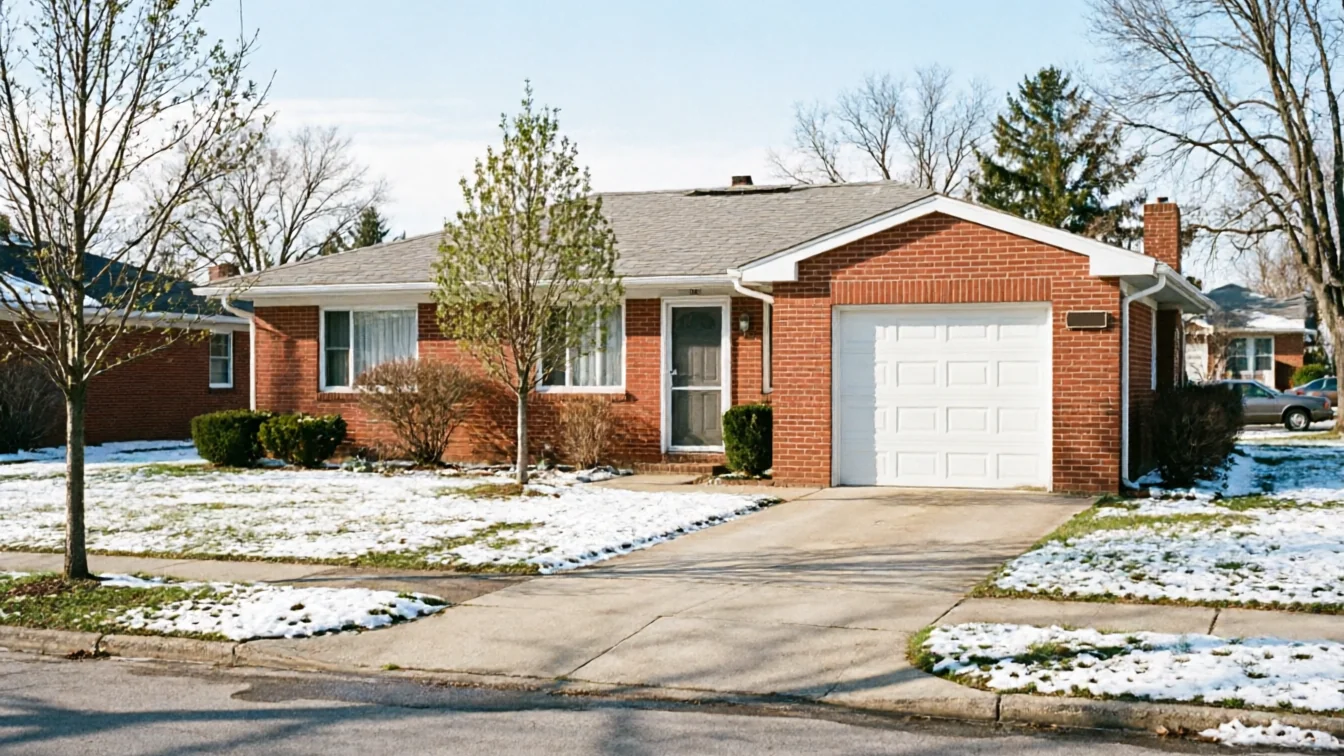
We stock the springs, rollers, cables, and hinges that fit the door sizes and spring types common on houses built through the 1990s, since that's a large share of what we see out this way. Steel ball-bearing rollers to replace the original nylon ones, torsion and extension springs sized for standard two-car openings, and drive gears and chains for the opener brands that were common in production builds of that era - we carry what covers most of the calls we actually get here. What we don't keep on the truck is anything for a custom or oversized door, or a specialty opener model - those get special-ordered, and we'll tell you honestly if that's the case before we start the job rather than after.
Downtime
A spring swap or roller replacement on a standard door is usually a same-visit job once we're on site with the right parts - which is why telling us the house's build year when you call helps us bring the right stock the first time. A full opener replacement takes longer on the day, since there's wiring and safety sensor alignment involved, but it's still typically done in one visit. What stretches a job out is a special-order part for something outside the common sizes - we'll tell you up front if that's what your door needs, rather than have you wait on a truck that doesn't have it.
Questions
Depends on the model and whether the safety reversal sensors are still working. A lot of Hiawatha houses date to the early 1990s, which means some openers predate current safety-sensor standards. We'll test the reversal function when we're out and tell you straight whether it's fine or worth replacing.
No, we run out of Cedar Rapids, about 6 miles away. We service Hiawatha regularly as part of our normal route, but there's no local counter or branch here - just a truck that comes out when you call.
Spring type tracks with when the door was installed. Extension springs on the sides were common in production-built houses through the 90s, while newer builds mostly use torsion springs overhead. We carry parts for both, but we'll confirm which one your door has before quoting a repair.
Explore more
Ready when you are
Cedar Rapids Garage Door Pros repairs and installs garage doors, springs and openers in Cedar Rapids, IA and the surrounding area.